

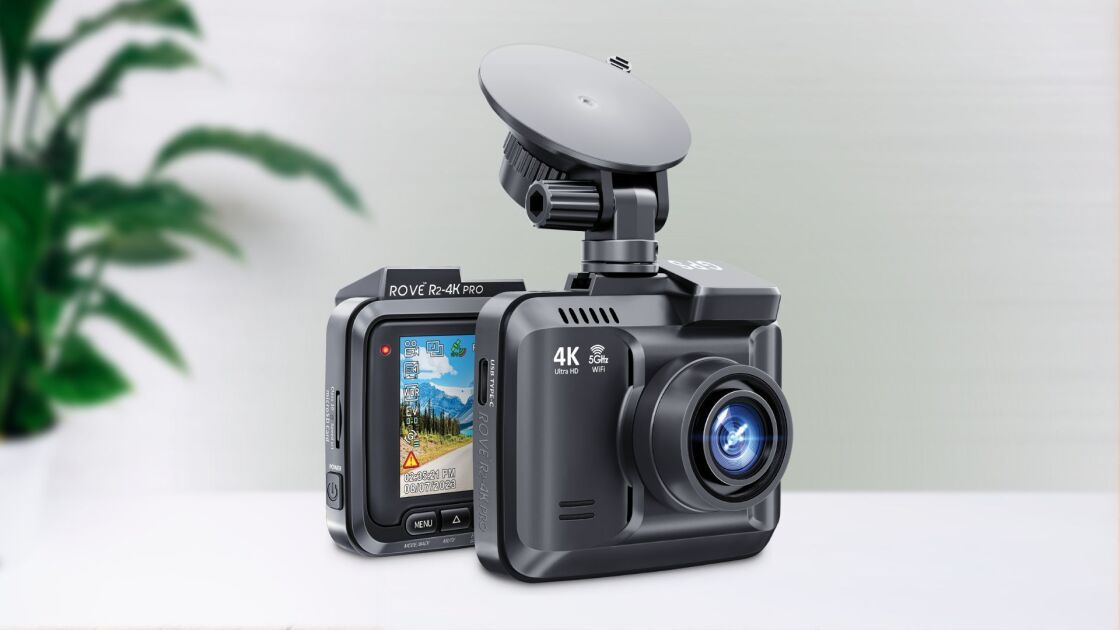
You don’t plan for chaos on the road. Nobody does. Yet somehow, a sudden lane change, a phantom brake-check, or a parking-lot bump can turn an ordinary drive into a stomach-dropping “Wait… what just happened?” moment. That’s where a dual dash cam earns its keep—not as a gadget, but as your quiet, steady co-pilot. You get a front-and-rear witness that doesn’t panic, doesn’t forget, and doesn’t “misremember” details later.
And here’s the emotional truth: when something goes wrong, you don’t just want footage. You want clarity. You want reassurance. You want something that says, “You’re not alone in this.”
A friend once used the word *imbue* in a way that stuck—talking about how a small object can *imbue* a space with meaning. It was just a keychain, but it carried a memory, a sense of safety. That’s what the right camera setup does for your car. It imbues your daily commute with a little extra calm—subtle, but powerful.
Why a dual dash cam matters more than you think
A single front-facing camera tells one story. A dual setup tells the whole story. And on the road, “whole” is everything.
Here’s what you gain when you choose front + rear coverage:
– Better accountability: Rear footage captures tailgaters, rear-end impacts, and the “they came out of nowhere” claims.
– Stronger insurance support: Clear evidence reduces back-and-forth and can speed up decisions.
– Parking protection (sometimes): Depending on the model and wiring, you may get impact-triggered recording when you’re away.
– More confidence for you: That’s not technical. That’s emotional. You drive differently when you feel protected—less tense, less reactive.
Think of it like hearing both sides of a conversation. Without the rear view, you’re missing half the plot.
Dash cam essentials: what to look for before you buy
Before getting dazzled by marketing, focus on the features that actually change your day-to-day experience. Because you’re not buying a spec sheet—you’re buying fewer headaches.
1) Video quality that holds up under pressure
Look for 1440p or 4K in front when possible, with at least 1080p in the rear. But resolution isn’t the only deal-breaker—dynamic range matters, too. Night driving, glare, headlights, rain… that’s where weak cameras crumble.
2) Night performance you can trust
Sensors and processing make the difference. If plates become glowing blobs after dark, that “great price” suddenly feels expensive.
3) Wide enough field of view (but not fishbowl)
Around 140°–170° is common. Too narrow misses context; too wide distorts distance.
4) Reliability and heat tolerance
If you live anywhere hot, you already know: your car can feel like an oven. Capacitors generally handle heat better than batteries.
5) Easy file access and app experience
A camera can have perfect footage and still frustrate you if it’s painful to retrieve clips. Wi‑Fi and a solid app can turn a stressful moment into a two-minute export.
And yes—your dash cam should be simple. Because when something happens, you won’t be in the mood to troubleshoot.
Dual dash cam standouts: what different drivers tend to love
Not every driver needs the same “perfect” model. So instead of pretending there’s one best option, let’s match common needs with the kinds of dual systems that tend to deliver.
For the “set-it-and-forget-it” driver
You want something that boots reliably, loops recordings without drama, and doesn’t require weekly attention. Look for:
– Stable firmware and a strong reputation for long-term reliability
– Clear indicators (so you *know* it’s recording)
– Simple, readable on-screen menus (or a genuinely good phone app)
For the night-owl commuter
If you drive late—closing shifts, early airport runs, long winter evenings—you need:
– Strong low-light performance
– Good HDR/WDR handling
– Minimal headlight flare and motion blur
This is where the best dual systems feel like magic. Not flashy magic—quiet magic. The kind that saves you when you need it most.
For the rideshare or “people in the car” lifestyle
Some dual units include an interior camera instead of a rear-facing external view. If that’s you, prioritize:
– Infrared interior night vision
– Clear audio
– Discreet cabin-facing design
For the budget-focused, still-serious buyer
You can absolutely find value—just avoid the no-name trap. Look for:
– Proven brand support
– Replaceable mounts and available accessories
– Honest specs (not “4K*” with fine print)
You deserve a camera that doesn’t vanish from the internet three months after you buy it.
A concert moment that explains why context changes everything
Picture this: you’re at a concert, lights down, bass in your chest, and suddenly the crowd surges. From one angle, it looks like pushing. From another, it’s someone stumbling and everyone trying to keep them upright. Same moment—two completely different stories.
That’s the hidden gift of dual recording. When you have front and rear footage, you’re not just capturing an incident—you’re capturing context. And context is what makes the difference between “maybe” and “here’s exactly what happened.”
When you choose a dash camera with strong front-and-rear coverage, you’re choosing to protect your version of events with something sturdier than memory.
Dash camera features that feel small… until they save you
These are the “fine print” features people ignore—until the day they become everything.
Parking mode (and how it really works)
True parking mode often requires a hardwire kit to draw power safely. Some record continuously at a lower bitrate; others wake on motion/impact. The best setups balance sensitivity and battery safety, so you’re not coming back to a dead car.
GPS and speed stamping
GPS can strengthen your timeline—where you were, when it happened. Speed stamps are optional in many models (and you should keep control over that setting).
Buffered recording
This is a big deal: it captures a few seconds *before* the trigger event, not just after. Because the lead-up is often the whole point.
Cloud connectivity (for certain drivers)
If you’re managing a small fleet, or you park in a high-risk area, cloud features can be worth it. For others, it’s an unnecessary subscription.
A quality dash cam isn’t about bells and whistles. It’s about the one feature that shows up for you on the worst day.
