

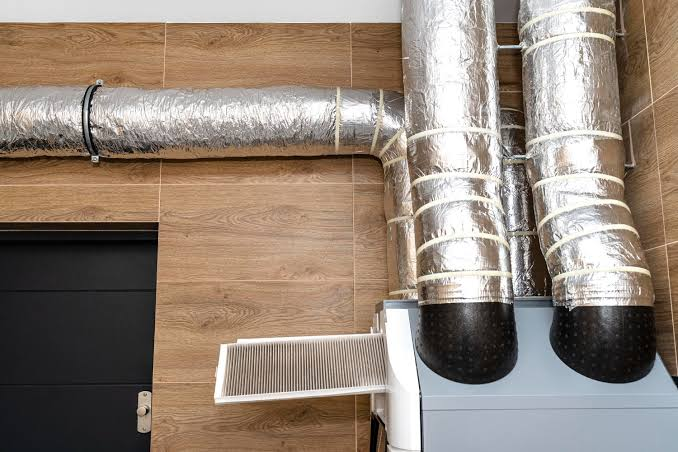
Safe furnace venting is essential because a furnace does more than create heat. It also produces combustion gases that must be properly vented from the home. If venting is damaged, blocked, undersized, or improperly connected, those gases may not vent outdoors as they should. This can affect comfort, equipment performance, and household safety. An HVAC contractor helps by inspecting vent pipes, checking draft, reviewing installation details, and identifying warning signs before they become serious. Proper venting allows the furnace to heat the home while keeping harmful exhaust away from indoor living areas.
Safe Venting Basics
- Checking How Exhaust Leaves the Furnace
An HVAC contractor matters for safe furnace venting because the exhaust path must be inspected from the furnace connection to the final exit point. Vent pipes can loosen, corrode, sag, crack, or become blocked over time. Birds’ nests, debris, rust, damaged caps, or poor slope can stop gases from leaving the home smoothly. A contractor can check whether the furnace vents through metal pipe, PVC, a chimney lining, or another approved system, and confirm that the material matches the furnace type. Homeowners connected with a Henderson office may need this kind of inspection before cold weather if the furnace has not been checked for a long time. This step matters because a furnace may still run even if the venting is unsafe. Careful testing helps reveal draft problems, leakage, or poor connections that homeowners may not notice during normal use.
- Preventing Carbon Monoxide Risks
One of the most important reasons to hire an HVAC contractor for furnace venting is carbon monoxide safety. Carbon monoxide is a dangerous gas that can form when fuel-burning equipment does not vent properly, or combustion is not occurring correctly. Because it has no smell or color, homeowners may not detect it without working alarms and proper equipment checks. A contractor can inspect the heat exchanger, burner operation, flue pipe, draft pressure, vent joints, and termination point to make sure exhaust is moving away from the home. They can also check whether nearby appliances, exhaust fans, or tight home construction are affecting draft. If a furnace is backdrafting, gases may enter the living space instead of being vented outdoors. Safe venting reduces this risk and supports healthier indoor conditions. Regular furnace service and working carbon monoxide detectors together create a stronger safety plan for the household.
- Matching Venting to the Furnace Type
Different furnace types require different venting setups, and an HVAC contractor helps ensure the system is matched correctly. Older furnaces may vent through chimneys or metal flues, while high-efficiency furnaces often use PVC venting because their exhaust temperatures are lower and condensation must be handled differently. If the wrong vent material, pipe size, slope, or termination location is used, the furnace may not operate safely. Condensation may collect where it should not, exhaust may slow down, or vent pipes may deteriorate faster. A contractor can review manufacturer requirements and local code expectations before repairs or replacement work is completed. This is especially important when a new furnace is connected to an older vent path. The old setup may not suit the new equipment. Proper matching protects the furnace, supports safe combustion, and helps the system operate as designed without creating hidden venting concerns.
- Finding Blockages and Draft Problems Early
Safe furnace venting depends on steady draft, which means exhaust gases move in the right direction with enough force to exit the home. If draft is weak, blocked, or reversed, the furnace may shut down, operate poorly, or release gases where they should not go. An HVAC contractor can test draft and inspect the vent path for restrictions. They may look for crushed pipe, improper slope, loose elbows, chimney blockage, damaged liners, or outdoor terminations blocked by snow, leaves, or nearby structures. Early inspection is valuable because draft problems often begin quietly. Homeowners may notice soot, rust, moisture near the furnace, unusual odors, frequent shutdowns, or a yellow burner flame. These signs should not be ignored. When draft issues are found early, repairs can be made before the furnace experiences repeated safety shutdowns or the home faces a greater risk of exhaust.
- Supporting Long-Term Furnace Reliability
Safe venting also protects the furnace itself. When exhaust cannot leave properly, heat, moisture, and combustion byproducts may collect where they do not belong. This can lead to corrosion, pressure switch problems, burner trouble, moisture damage, and repeated system shutdowns. An HVAC contractor helps prevent these issues by keeping the venting system clear, secure, and correctly connected. During service, they may also check condensate drains on high-efficiency furnaces, inspect pipe supports, verify clearances, and confirm that vent outlets are not too close to windows, doors, or air intakes. These details support both safety and reliability. A furnace that vents correctly is less likely to struggle during long heating cycles. It can run more smoothly, respond better to thermostat calls, and avoid damage caused by trapped exhaust or moisture. Proper venting care helps extend system life while keeping heating performance more dependable.
An HVAC contractor matters for safe furnace venting because exhaust gases must leave the home correctly every time the furnace runs. Vent pipes, draft pressure, combustion operation, pipe materials, and termination points all affect safety and performance. A contractor can identify loose joints, blockages, corrosion, poor slope, backdrafting, and equipment mismatches before they pose greater risks. Safe venting helps protect the home from carbon monoxide concerns, moisture damage, furnace shutdowns, and costly repairs. With regular inspections and timely corrections, homeowners can use their heating system with greater confidence throughout the colder months.
